Tire Pressure: The First Thing to Check in Autumn and Winter
Why does tire pressure "drop on its own" when it's cold?
Air contracts when it cools, which is a fundamental physical principle. For every 10°C drop in temperature, tire pressure naturally decreases by about 2 PSI. This means that tires inflated in summer may become underinflated by late autumn. Many parents report that "their children find it difficult to ride in cold weather and the bike wobbles when turning." Upon inspection, it's often due to insufficient air pressure.
How much should the children's ride-on toy be charged?
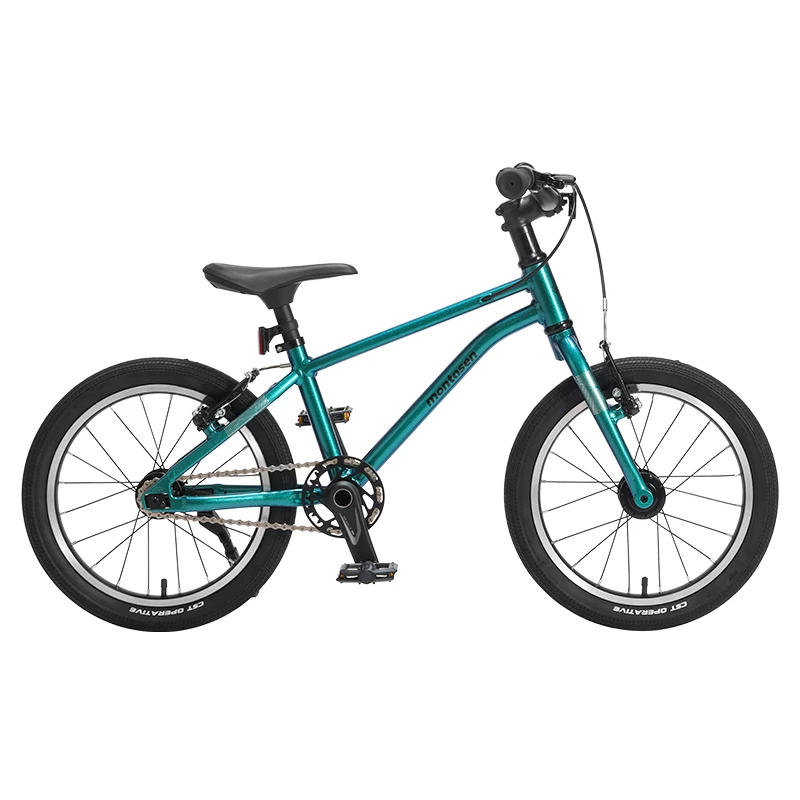
First, let's clarify the scope: The tire pressure for children's bicycles typically ranges from 20 to 40 PSI, which is significantly lower than that of adult bikes, as it prioritizes safety and stability. Specifically, for 16-inch and 18-inch children's bikes, maintaining a cold tire pressure around 2.2 to 2.5 bar is a common range.
The key in autumn and winter is to "choose lower, not higher." There are two reasons: First, slippery roads require a larger contact area to improve traction; slightly lower tire pressure allows the tires to stay closer to the ground. Second, rubber itself becomes harder in low temperatures, and even with higher tire pressure, friction will be reduced, making it easier to skid. Therefore, in winter, you can choose a value within the lower range of the tire's marked specifications, slightly lower than in summer.

Several practical habits
• Before riding, press the tire with your hand: under normal conditions, it should show slight indentation but no obvious deformation.
• Develop the habit of checking before departure, especially on mornings when temperatures drop sharply.
• Take a quick look at the tread, remove any embedded small stones or glass fragments, and inspect the sidewalls for cracks and bulges.
• If you're unsure, use the midpoint value indicated on the tire sidewall, or simply ask at the bike shop.
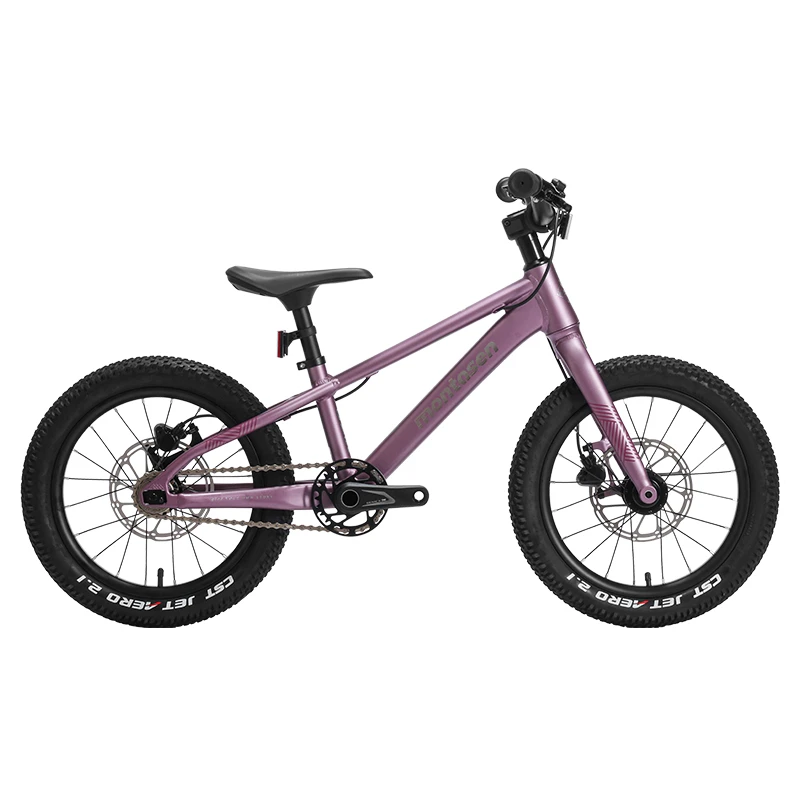
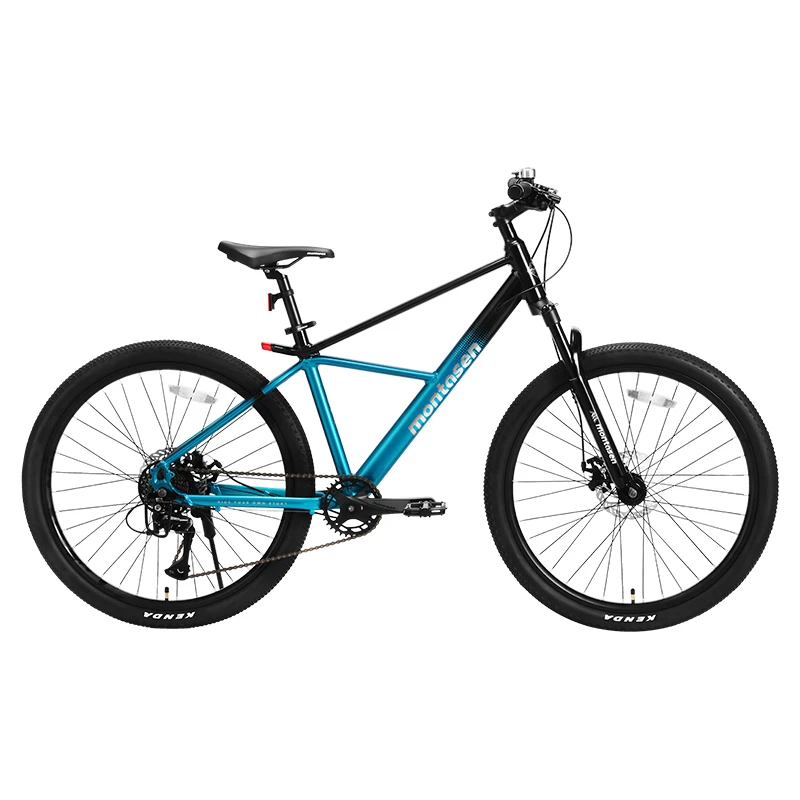
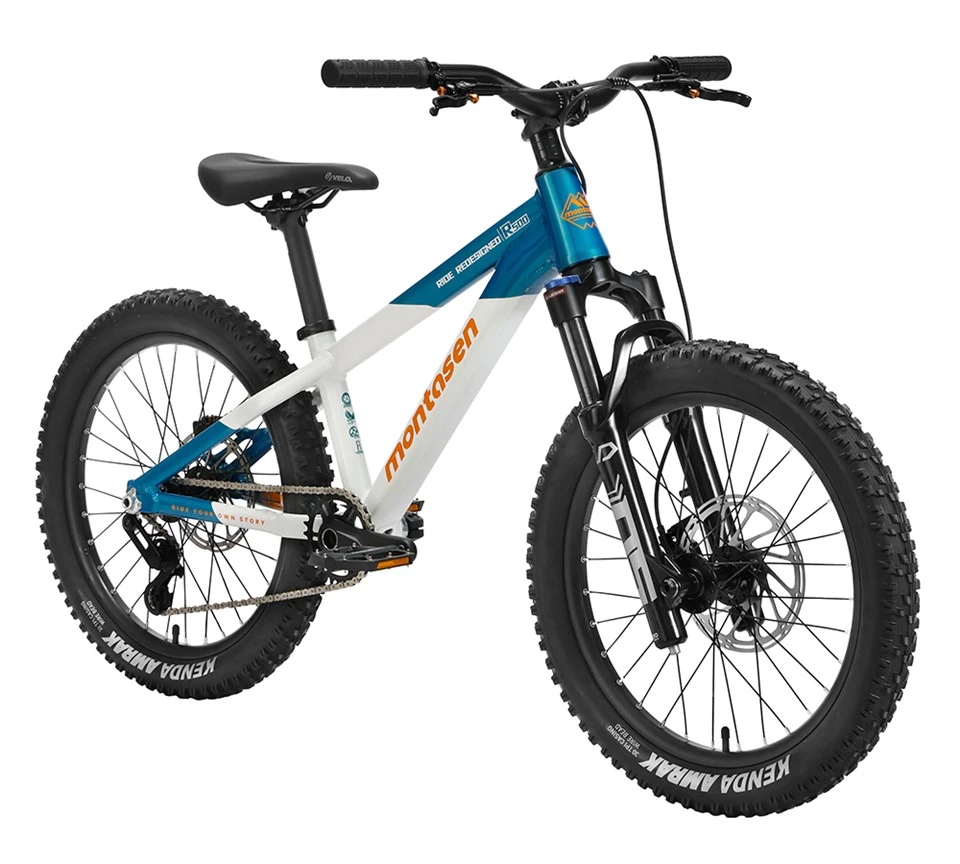
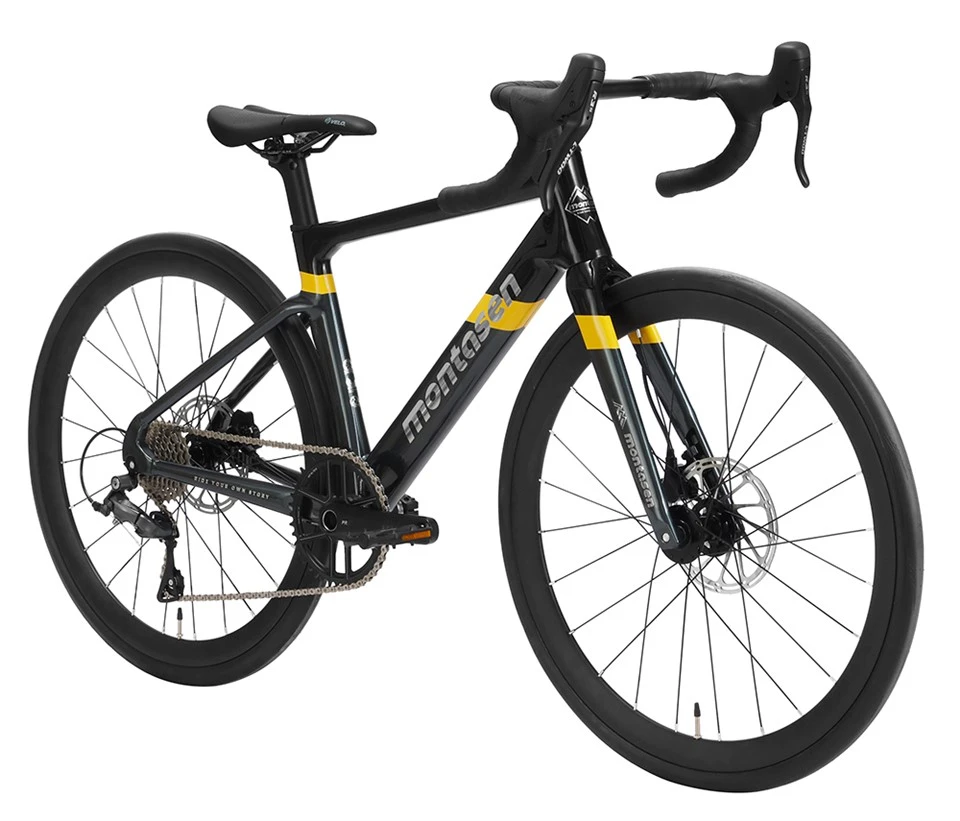
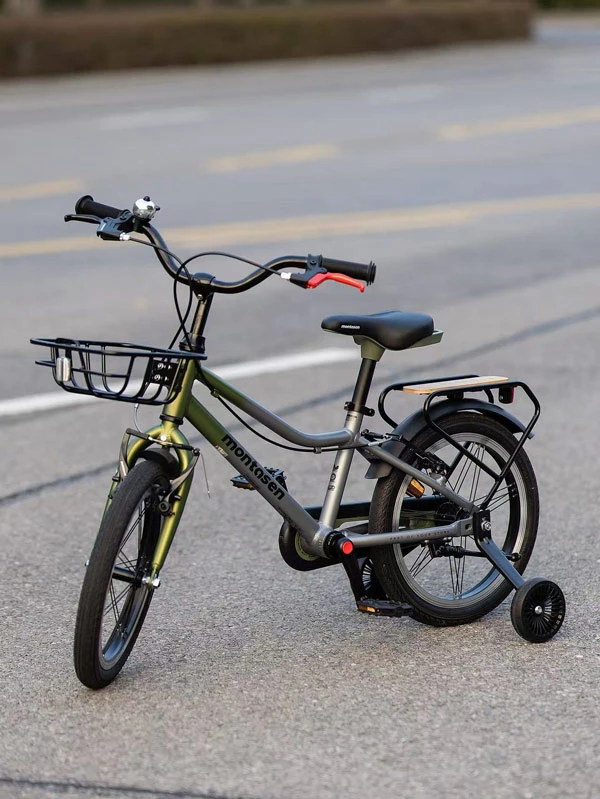
Speaking of the bike itself, Children who frequently run in parks, along greenways, or on gravel and dirt roads during autumn and winter should pay attention to tire tread patterns and braking configurations. The Montasen AB06 Mountain Series features an aluminum alloy monocoque frame with high-precision bearing hubs, offering low riding resistance. Its front and rear dual disc brakes provide more stable braking force on wet and slippery surfaces. If the terrain becomes more challenging, the MBS20 Pan Chi is equipped with off-road wide tires and a lockout front fork with shock absorption. Its deeper tread pattern ensures better traction on muddy and slippery surfaces.
Staying Warm: It's Not About Wearing Thicker Clothes
Core Principle: Layering, Not Thick Stacking
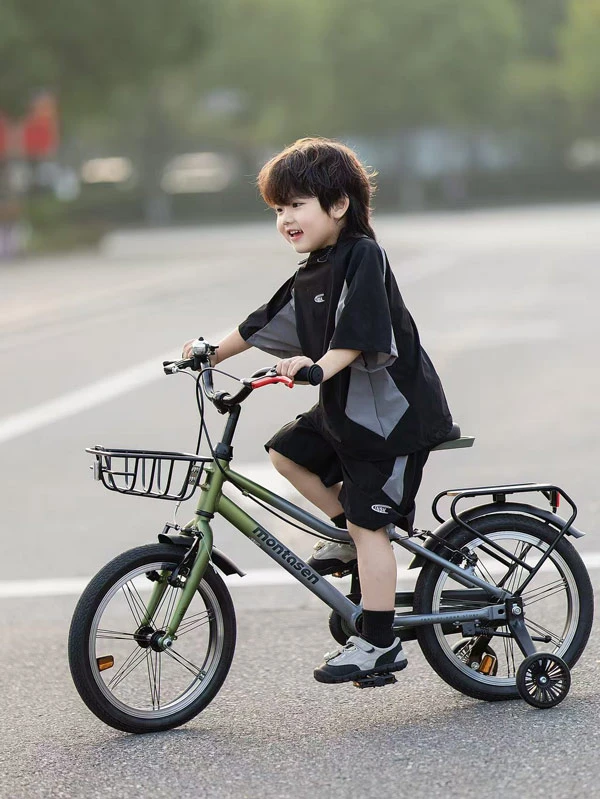
This is especially important in cycling scenarios. If children wear too much clothing, sweat can soak their clothes and stick to their skin; when the wind blows, they are actually more prone to catching a cold. Moreover, overly bulky clothing restricts movement of the arms and legs, making it difficult to grip the handlebars or operate the brakes smoothly, which itself poses a safety hazard.
A recommended approach is to dress in layers:
• Inner layer: Choose quick-drying, moisture-wicking fabrics; avoid 100% cotton, as cotton retains moisture and dries slowly.
• Mid-layer: Fleece, thin fleece, or a light sweater, designed to retain heat without being too bulky.
• Outer layer: A lightweight windproof hardshell jacket or softshell coat to block cold winds.
To judge whether your clothing is appropriate, the most reliable method is to touch the back of your neck: if it feels warm and dry, the outfit is just right; if it feels damp and sweaty, you should remove a layer.
Focus on caring for three key areas.
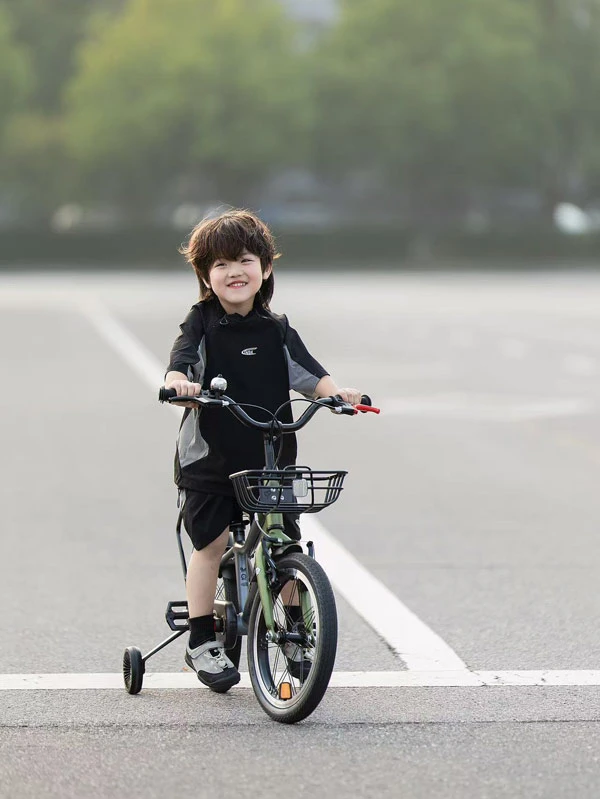
The head, hands, and feet are the areas most susceptible to cold.
The hands are particularly critical-once fingers become numb from the cold, gripping the brake levers becomes sluggish, which is dangerous. It's recommended to choose full-finger cycling gloves that are windproof and feature anti-slip textures on the palms; these provide warmth without compromising grip. For your feet, wear warm shoes and socks, leaving enough room inside the shoes for your toes to move freely. For your head, use a hat or cycling balaclava that covers the ears, paying special attention to keeping the neck and ears protected.
Anti-slip: The Safety Bottom Line for Autumn and Winter Cycling
1. Tire pressure combined with tread pattern forms the first line of defense against slipping.
The earlier advice to "lower tire pressure" is aimed at improving traction: the lower the pressure, the larger the contact patch, and the better the grip. Additionally, during autumn and winter, it's worth considering tires with deeper tread patterns and wider widths. Deeper grooves enhance water drainage and grip on wet or muddy roads.
2. The braking system should be inspected in advance.
Wet roads significantly increase braking distance, so before riding, always ensure that the brakes are responsive and the brake pads are not excessively worn. In low-temperature conditions, disc brakes generally offer more stable braking performance than rim brakes. Additionally, remind children to brake "earlier and more gently," using intermittent braking rather than sudden hard stops. Sudden braking on wet surfaces is most likely to cause wheel lockup and skidding.
3. Make a few adjustments to your cycling habits.
• Slow start and gentle turns: In low temperatures, both drivers and vehicles need time to adapt. Sharp turns are particularly prone to skidding, so maintain a larger turning radius whenever possible.
• Maintain a safe distance: Keep a sufficient gap from the vehicle ahead and reduce your speed.
• Avoid hazardous road surfaces: Steer clear of standing water, icy patches, and smooth areas such as metal manhole covers and marble flooring within residential compounds.
• It's better to push: When encountering uneven roads covered with snow or ice, getting off and pushing the bike is safer than trying to ride through.
4. It gets dark early, so visibility cannot be overlooked.
In autumn and winter, days are short and nights are long; it gets dark by 5 p.m. It's advisable to keep your vehicle's headlights on, even during the day, for added safety. Wearing clothing or accessories with reflective strips significantly increases your visibility. These small details are especially useful when picking up children or taking evening walks.
A Final Note
For autumn and winter cycling, the challenge has never been about whether you can ride, but rather whether you've prepared correctly. Three key actions sum it up simply:
Tire pressure – check and adjust before departure; in cold weather, slightly reduce the pressure.
Stay warm-dress in layers, check the back of your neck to gauge temperature, and prioritize protecting your hands, feet, and head.
Anti-slip – take a look at the tire tread and brakes, and drive more slowly and gently on the road.
Getting these few things in order will make your child's cycling experience much more comfortable throughout the autumn and winter. If you notice issues such as tire aging or brake abnormalities, we recommend visiting a professional store as soon as possible for repairs-don't compromise on safety. Montasen operates a 1,700-square-meter showroom and factory store in Fengxian, where families in need can bring their bikes for a comprehensive inspection.
May every child ride warmly and steadily in the crisp, cool air.