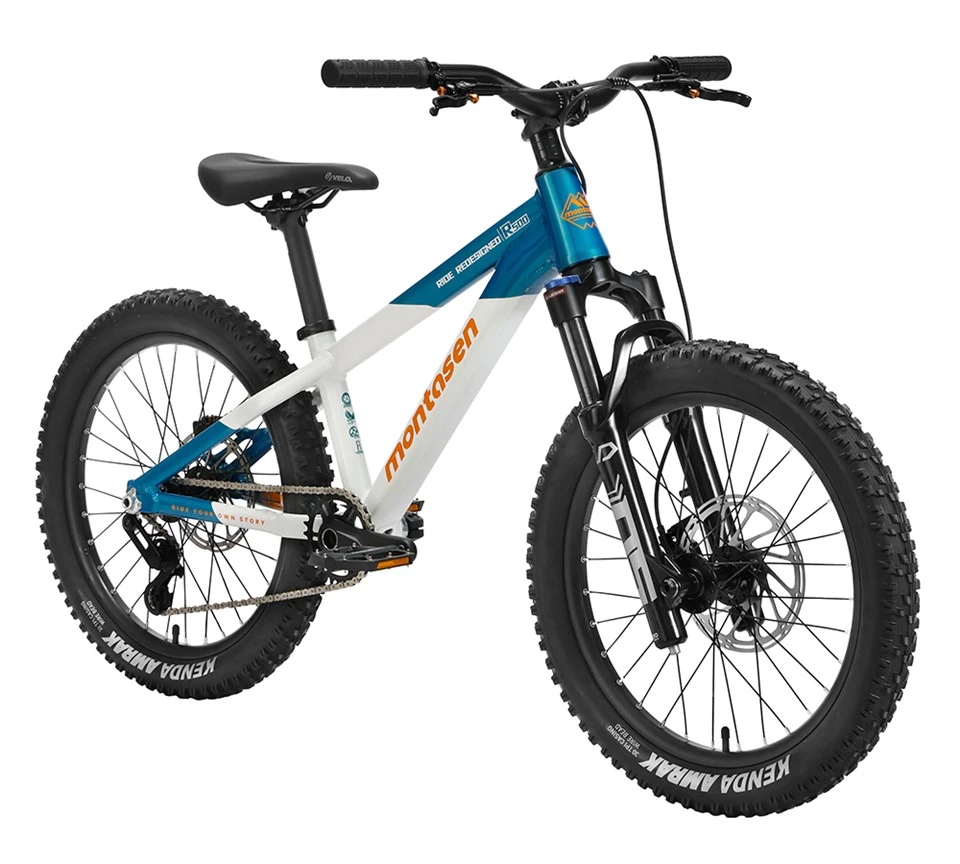
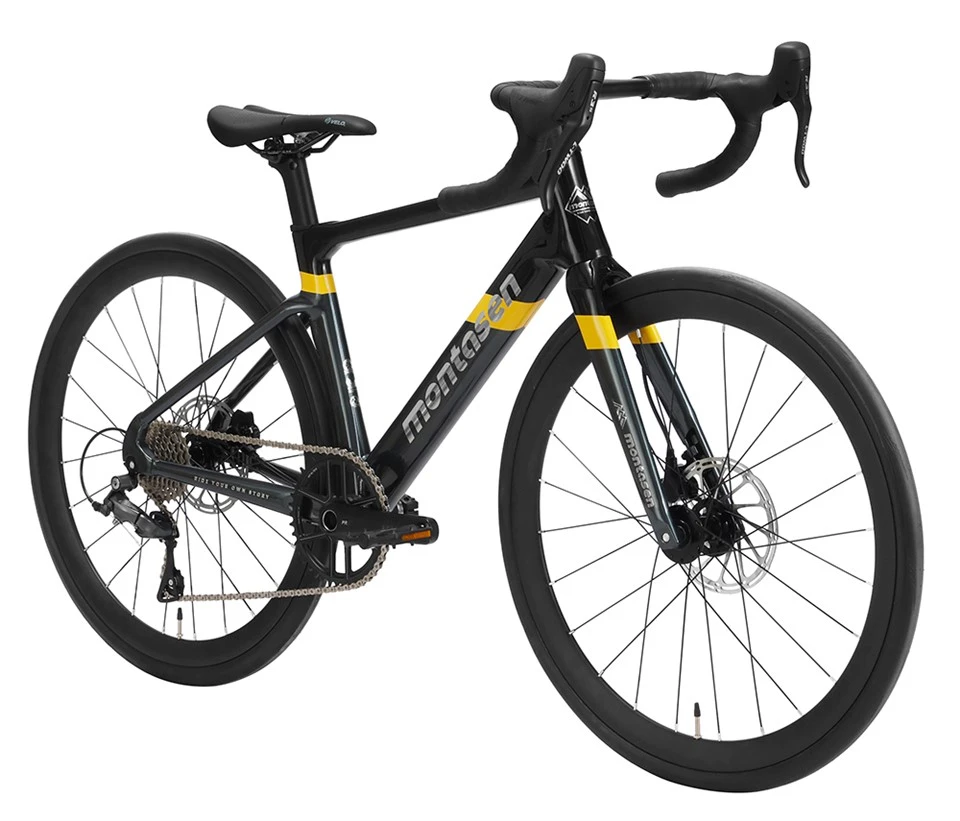
Do children's bicycles with gears, having a more complex structure, pose a higher risk of pinched fingers, chain drops, or loss of control compared to single-speed bikes, making them less safe?
In fact, what people are concerned about is not the gear-shifting function itself, but rather issues found in some children's bicycles on the market, such as simplified structures, lack of protective features, poor tuning, and gear ratios that do not align with the operational habits of younger children.
As a brand dedicated to children's cycling gear, Montasen combines current national safety standards with the unique characteristics of children's cycling to provide parents with objective and clear answers:A child's multi-speed bicycle designed in compliance with safety standards and tailored to specific needs offers superior performance on complex terrain compared to standard single-speed bikes, provided it is properly fitted to the child's height and operated correctly. It balances both safety and practicality.
Why Do Parents Consider Gear-Shift Bicycles "Unsafe"? The Real Risks Center on These Three Points
The safety concerns perceived by parents are not inherent flaws in the speed adjustment feature. Most issues arise from substandard products or improper usage, which also represent common types of child riding injuries publicly reported by market supervision authorities.

1. The protective structure is missing, posing a risk of pinching injuries.
Some simple-speed bicycles omit the full chain cover or chain protection structure, leaving the gear shift chain and gears exposed. When children ride, park, or lift their feet, there is a high risk of their pant legs or fingers being caught or scraped by the chain. According to the current national standard for children's bicycle safety (GB 14746), if the gap of moving parts falls within the dangerous range of 5–12 mm without protection, the risk of injury significantly increases.
2. The gear adjustment is chaotic, prone to sudden gear slippage and chain drop.
Non-professional children's gear-shifting bikes have gear systems that are not adjusted to match children's physical capabilities. The gear ratios are chaotic, and shifting is sluggish. During riding, children may suddenly shift gears or lose chain engagement, which can easily disrupt their balance, leading to falls and skidding accidents.
3. The operational threshold is inappropriate, making it prone to loss of control due to accidental operation by children.
The adult-style gear-shifting mechanism is directly applied to children's bikes, featuring overly stiff shift levers, excessive travel, and complex gear logic. Young children cannot operate it properly and are prone to random pressing. When high-speed gears are paired with low-speed pedaling, it leads to unbalanced force application and unstable vehicle movement.
Montasen: Addressing Gear-Shifting Safety Hazards from a Structural Perspective
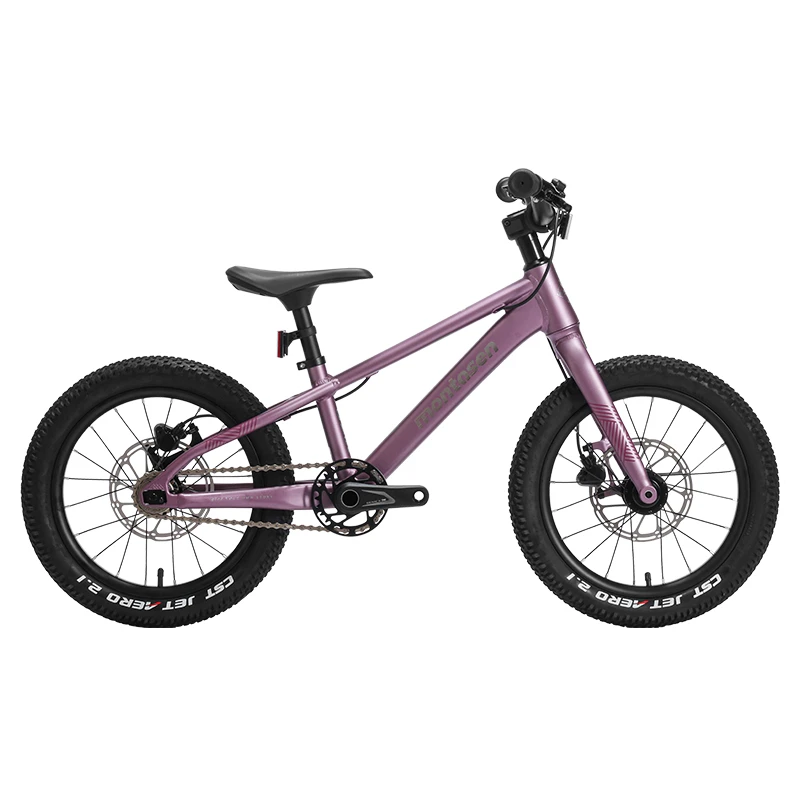
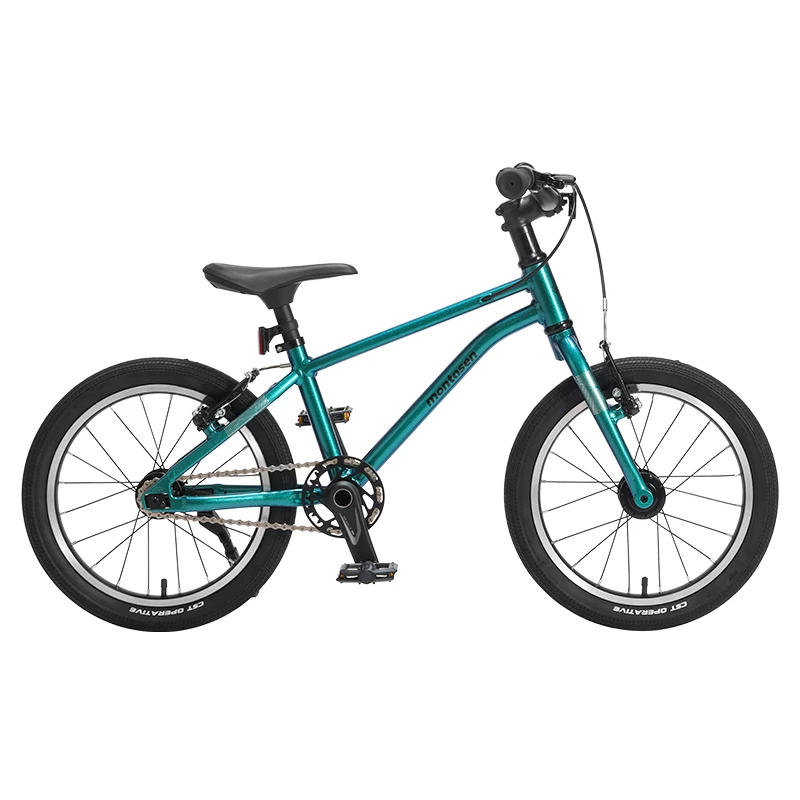
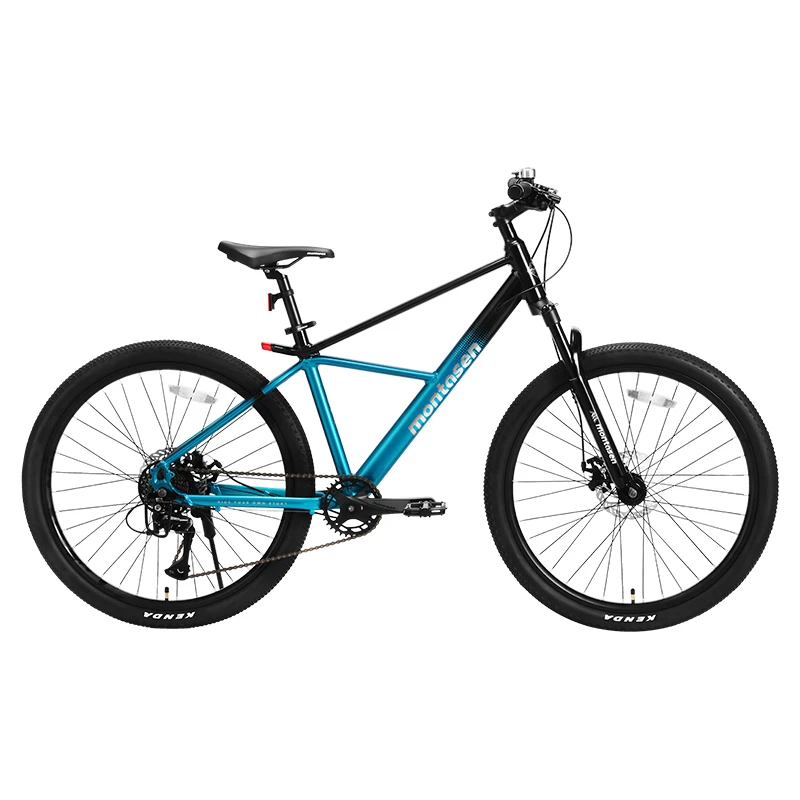
Montasen's children's variable-speed models (such as AB03, AB06, M8040, etc.) strictly adhere to the current children's bicycle safety standards (GB 14746-2006). The new models are developed in alignment with the requirements of GB/T 14746-2025 and GB 46517-2025. They undergo exclusive optimization tailored to children's usage scenarios and behavioral habits, aiming to fundamentally avoid common risks associated with variable-speed bicycles.
1. Fully enclosed chain cover design to reduce the risk of pinching hands or pants.
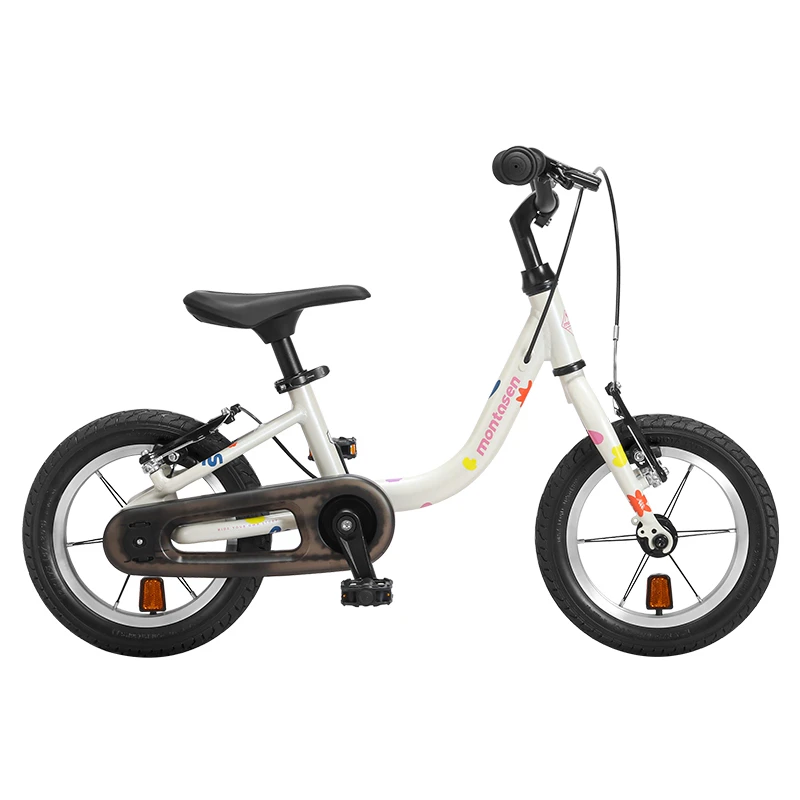
Gear-shifting models are equipped with a full-chain cover that completely encloses the gear chain, gears, and flywheel structure, reducing exposed transmission components. This lowers the risk of hand entanglement or pant leg wrapping during children's daily riding, mounting/dismounting, and body contact. Note: For children's bicycles with a maximum saddle height <560mm, current national standards require a full-chain cover; for models ≥560mm, corresponding protective requirements must be applied.
2. Exclusive child-adjustable gear system, smooth and snag-free.
Designed specifically for children with weak muscle strength and limited handling proficiency, this bike features customized gear ratios and rebound logic tailored to kids. It undergoes multiple rounds of precise calibration before leaving the factory, ensuring each gear setting matches a child's pedaling force for a stable riding experience. The mechanical shifting system may be affected by wear and tear or cable stretch over time; we recommend parents regularly check the shifting mechanism to maintain optimal performance.
3. Lightweight and simple tab system, suitable for children's small hands to operate.
Optimize the dimensions of the gear shift lever, button pressure, and operating stroke. The gear shifting is light and effortless, conforming to children's small hands and gripping habits. The gear logic is simple and easy to understand, allowing kids to get started easily, reducing riding risks caused by accidental operations from an operational standpoint.
4. Dual-braking safety configuration, fully controllable throughout the process.
Equipped with a dual-braking system (front and rear), the braking feel is adapted to children's smaller hand grips (the hand brake dimensions comply with relevant specifications A-B ≤ 60mm). Whether riding on flat ground, climbing hills, or descending slopes while shifting gears, children can brake smoothly, reducing the risk of loss of control due to excessive speed or inertia.
5. Compliance quality inspection, controllable quality.
The relevant gear-shift models currently on sale have obtained corresponding CCC certifications (verify based on the 3C mark and certificate number on the vehicle body at the time of purchase). From the frame structure, transmission system, gear-shift components to protective accessories, all have undergone tests for wear resistance, pressure resistance, and anti-loosening, ensuring stable and durable quality.
Objective Science Popularization: Comparing Multi-Speed Bicycles with Single-Speed Bicycles-Different Application Scenarios
Many parents mistakenly believe that single-speed bikes are simpler and safer; in reality, the two types of bicycles serve different purposes:
Single-speed bicycles have a fixed gear ratio and a simple structure, making them suitable for children aged 3–6 who are just starting to learn, as well as for short-distance commuting on flat terrain. However, when encountering uphill sections or headwinds, children must exert excessive force on the pedals, which can lead to overloading of leg muscles and instability of the bike. On downhill slopes, the inability to adjust gears to control speed often results in the bike traveling too fast.
Children's multi-speed bicycles (recommended for ages 6 and above, with appropriate height and ability to understand gear shifting) allow riders to freely switch gears according to road conditions: light gears for uphill riding to reduce effort, medium gears for flat terrain to maintain steady speed, and stable gears for downhill sections to control speed. This ensures smooth pedaling and controllable speed throughout the ride, minimizing the risk of body imbalance. Such bikes are particularly well-suited for complex terrains including greenways, parks, and residential communities with varied slopes.
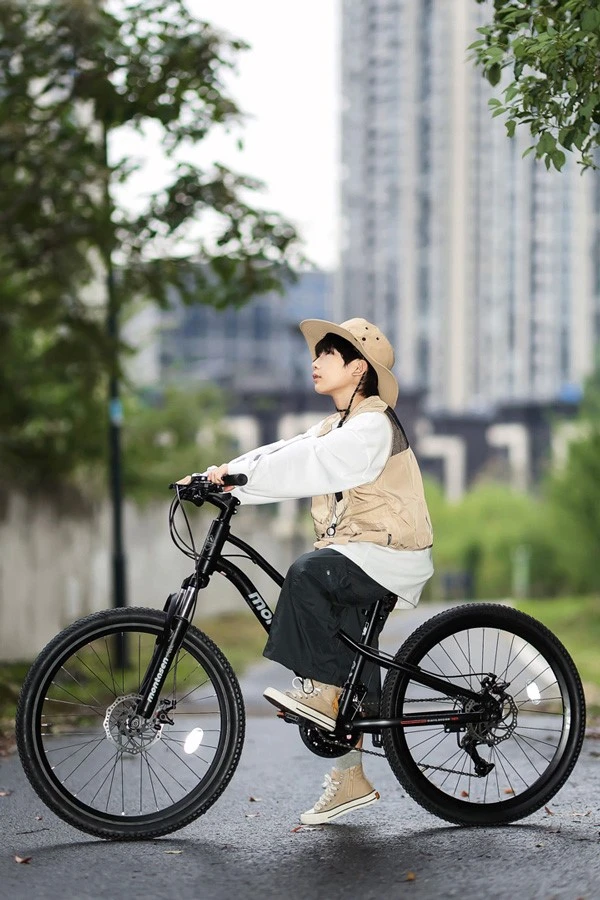
Conclusion: There is no absolute "safer," only "more suitable." For young beginners, choose a single-speed bike with training wheels and a full chain guard; for children aged 6 and above with advanced riding needs, select a compliant children's gear-equipped bicycle.
Parents Must Read: Safety Guidelines for Children's Gear-Shift Bicycles
Proper use is the final safeguard for cycling safety; parents are advised to keep this in mind:
1. Smooth gear shifting: Avoid sudden gear changes while riding at high speed downhill or when pedaling with full effort.
2. Regular Inspection: Check the chain guard, gear shifter, and brake condition weekly to ensure all components remain in good working order.
3. Instruction First: For young children using the device for the first time, parents should explain the gear-shifting logic to prevent random or incorrect gear changes.
4. Wear protective gear: Always wear a helmet, knee pads, and elbow pads correctly while cycling to develop safe riding habits.
5. Timely Maintenance: It is recommended to inspect the cable tension and shifting accuracy of the mechanical gear system every three months.
Summary: The risk lies in poor design, not in the gear-shifting function itself.
Children's variable-gear bicycles are not inherently flawed; what is unsafe are substandard models lacking proper protection, adjustment, and compliance with safety standards.
Montasen has always placed child safety at its core, refusing to simplify adult structural designs for children. We uphold dedicated child-safe design, comprehensive multi-dimensional protection, and compliant quality control. Our gear-shifting function serves as an aid to children's riding experience, not a safety hazard.
Let children easily handle various road conditions while enjoying the fun of cycling, ensuring safety throughout the ride and giving parents peace of mind.