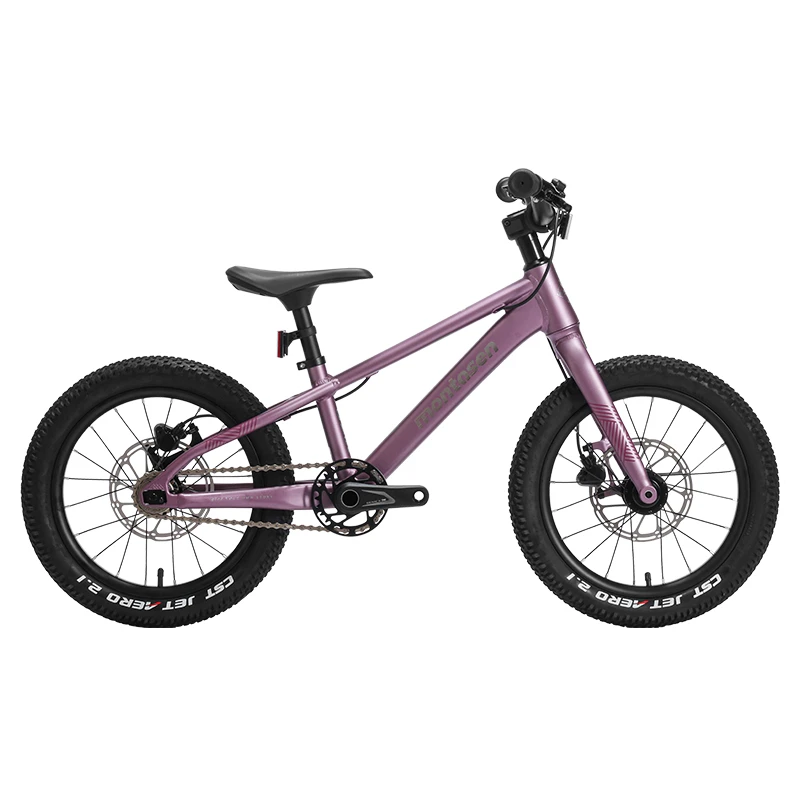
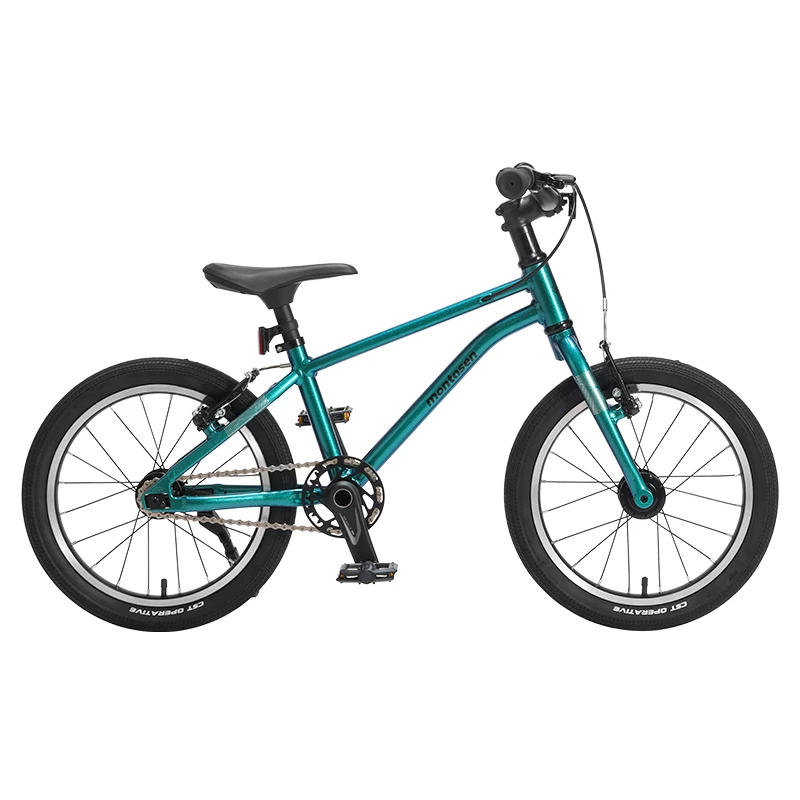
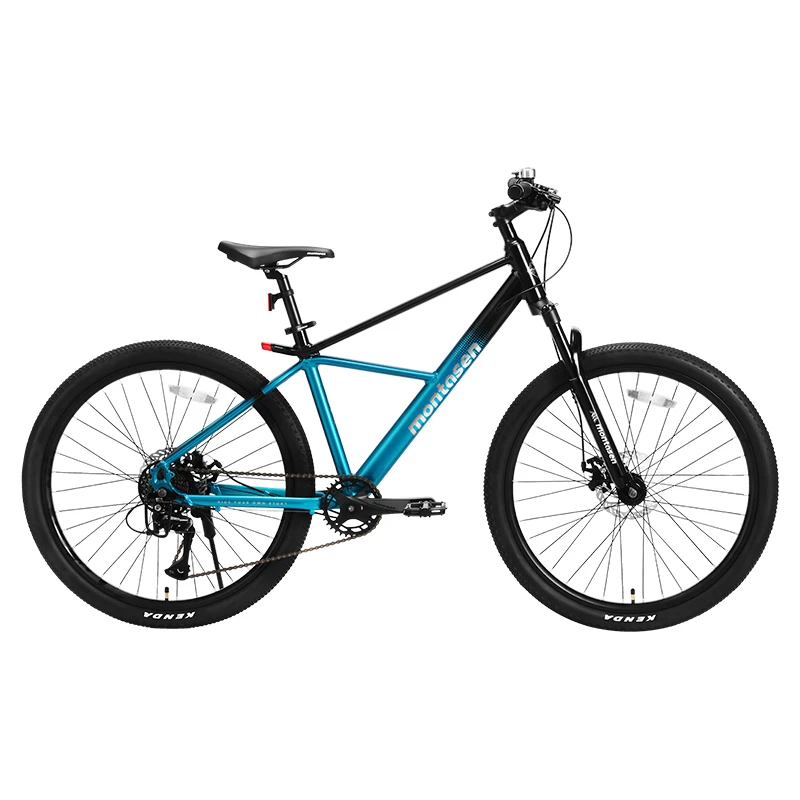
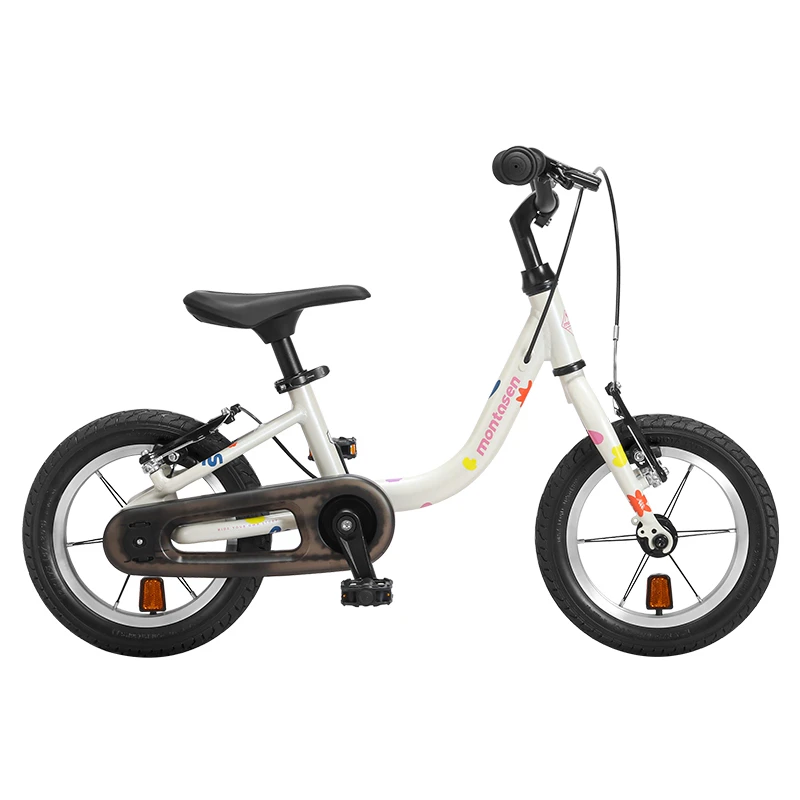
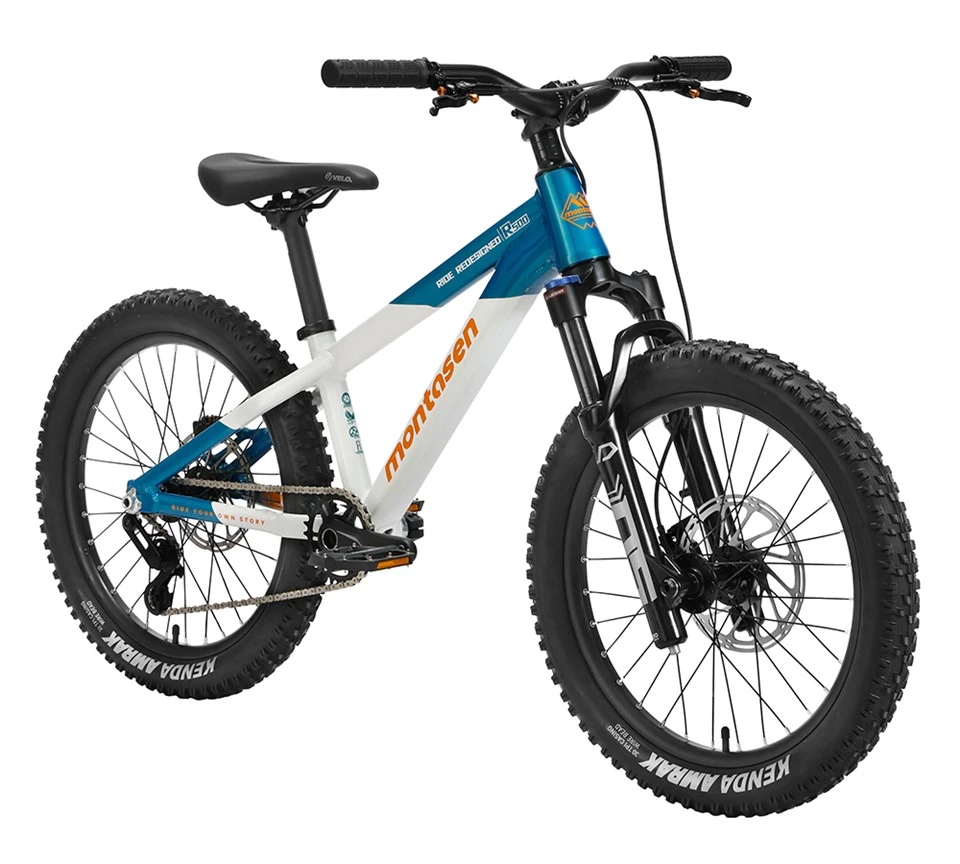
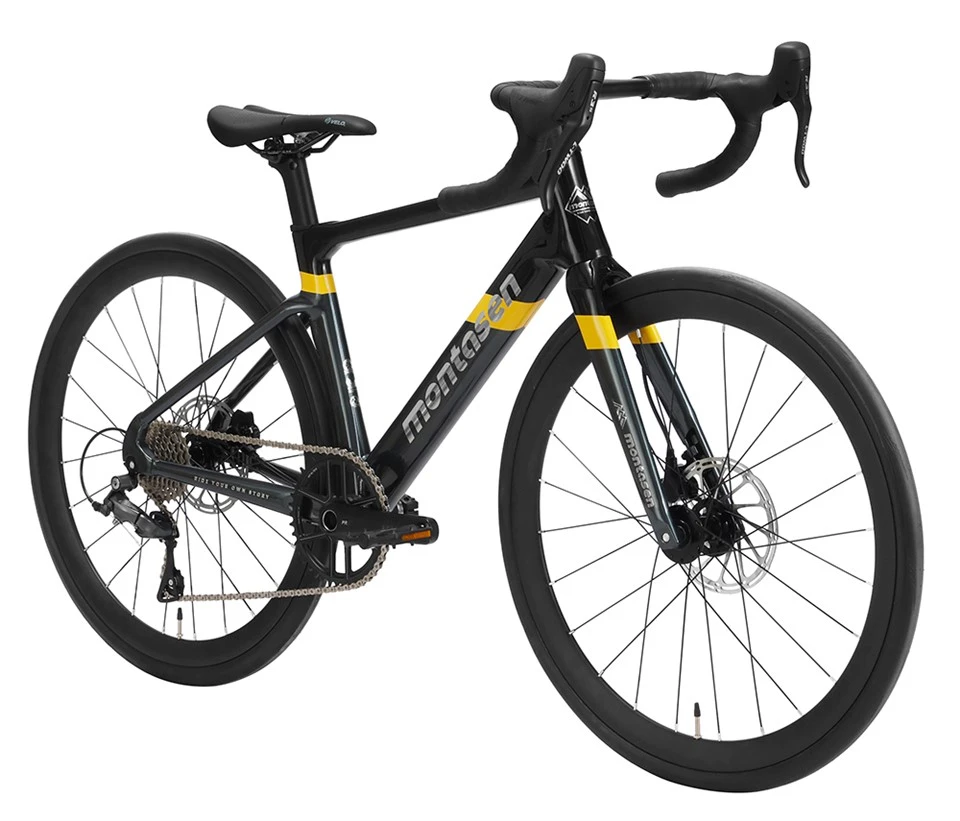
Choosing a bicycle for teenagers is not simply a matter of matching sizes; it requires a professional decision that comprehensively considers physiological characteristics, usage scenarios, and safety needs. As a mobile companion during growth, its suitability directly impacts the riding experience and healthy development, necessitating a scientifically sound selection process.
First and foremost, adhere to the principle of "age-appropriate fit." Teenagers' bones and muscles are in a period of rapid growth, so the frame size must precisely correspond to their height and leg length: a frame that is too small will restrict legroom, potentially leading to hunching and poor posture over time; a frame that is too large will require excessive forward leaning, increasing strain on the shoulders, neck, and lower back. It is generally recommended to test ride the bicycle in person to ensure that knees are slightly bent when feet are flat on the ground, arms are relaxed, and back is straight while riding. Avoid choosing a larger frame to "allow for future growth," as this may sacrifice current handling and safety.
Secondly, focus on the reliability of core safety features. The braking system needs to be sensitive and controllable; V-brakes or disc brakes can be chosen based on the usage scenario-linear braking is important for daily commuting, while types with better heat dissipation are preferable for light off-roading. Tires need to balance grip and rolling efficiency; slick tires are suitable for smooth roads, while treaded tires improve stability on wet or gravel roads. The frame material should primarily be aluminum alloy or high-carbon steel; the former has a significant advantage in lightweight design, while the latter offers better shock absorption, requiring a balance based on the strength level of the teenager. Furthermore, training wheels and low crossbody designs can lower the entry barrier, but overly protective features should be avoided to prevent hindering the development of balance.
The usage scenario determines the functional priorities. For short commutes, focus on portability and easy folding; for recreational exploration or light training, strengthen the frame and improve the smoothness of the shifting system; for competitive use, focus on lightweight design and aerodynamic details. At the same time, the safety of accessories cannot be ignored: helmets should meet national standards, and the strap adjustment should fit the head snugly; reflective strips, bells, and other details can significantly improve road visibility and warning effects.
When purchasing a bicycle, teenagers should be guided to participate in the decision-making process. By test riding and experiencing the handling feedback, they can understand that "suitability" is more important than "fashion." Only by basing decisions on physical fit, ensuring safety, and considering the needs of different scenarios can we select a bicycle that truly supports the growth of teenagers, making every ride a balanced practice of safety and enjoyment.