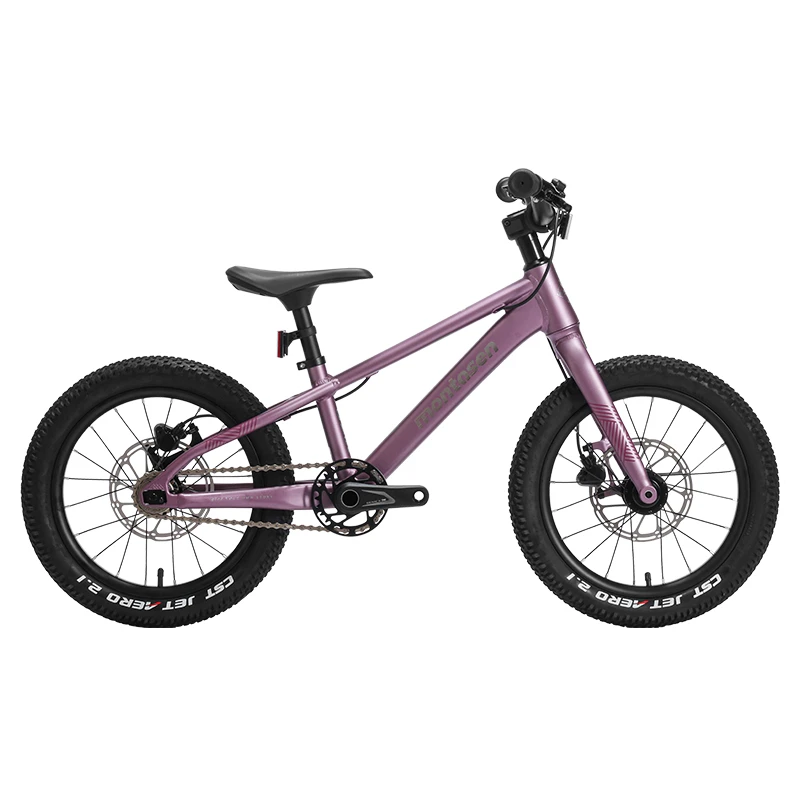
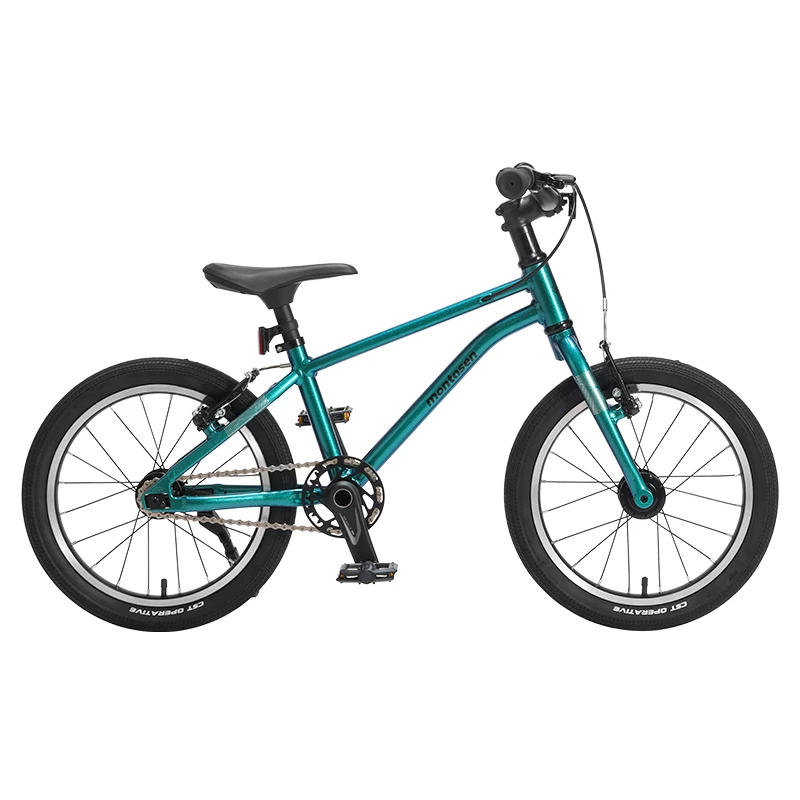
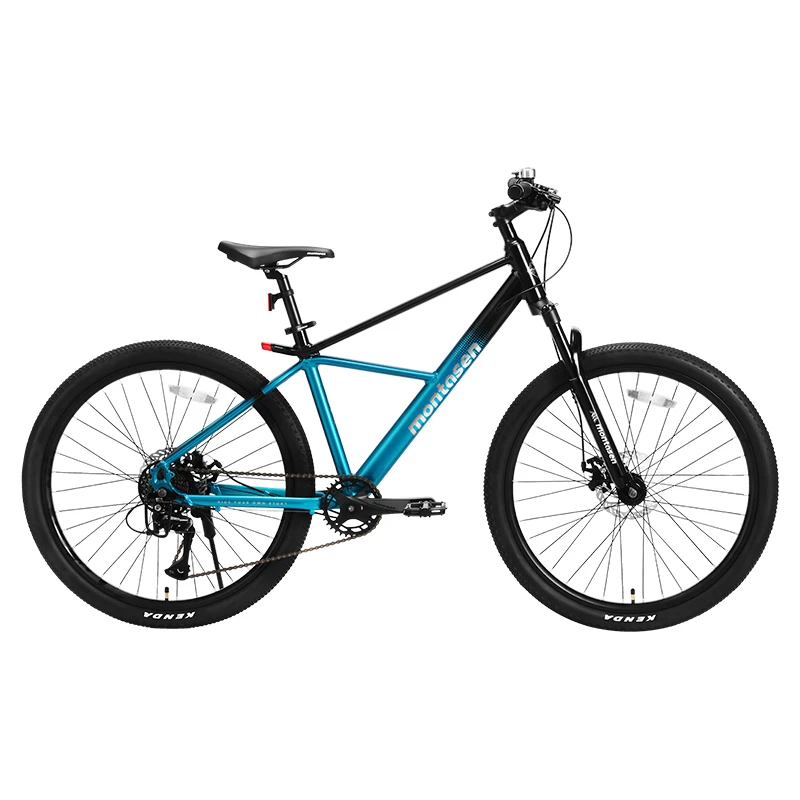
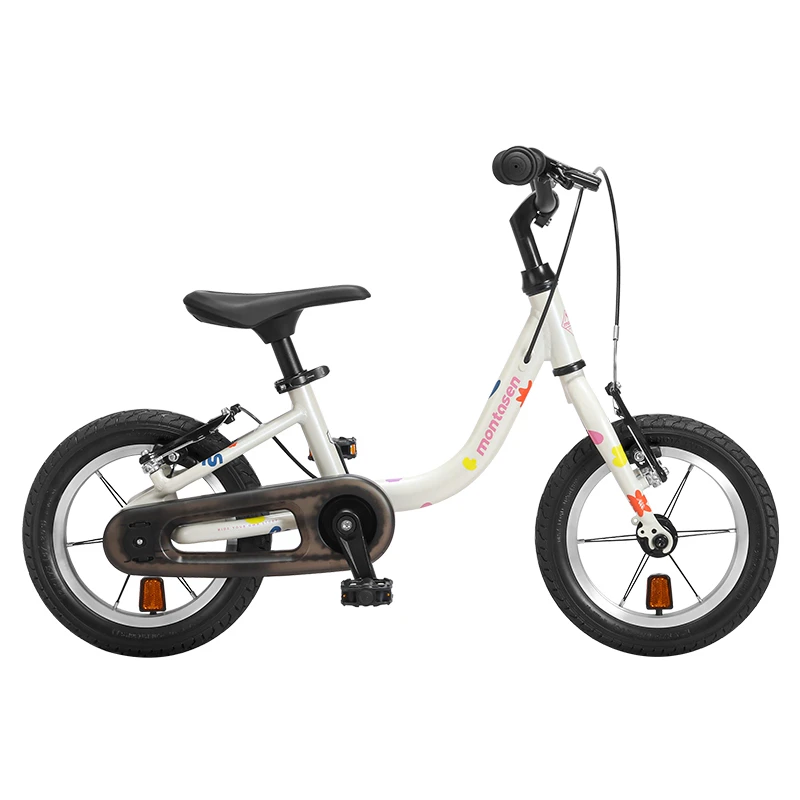
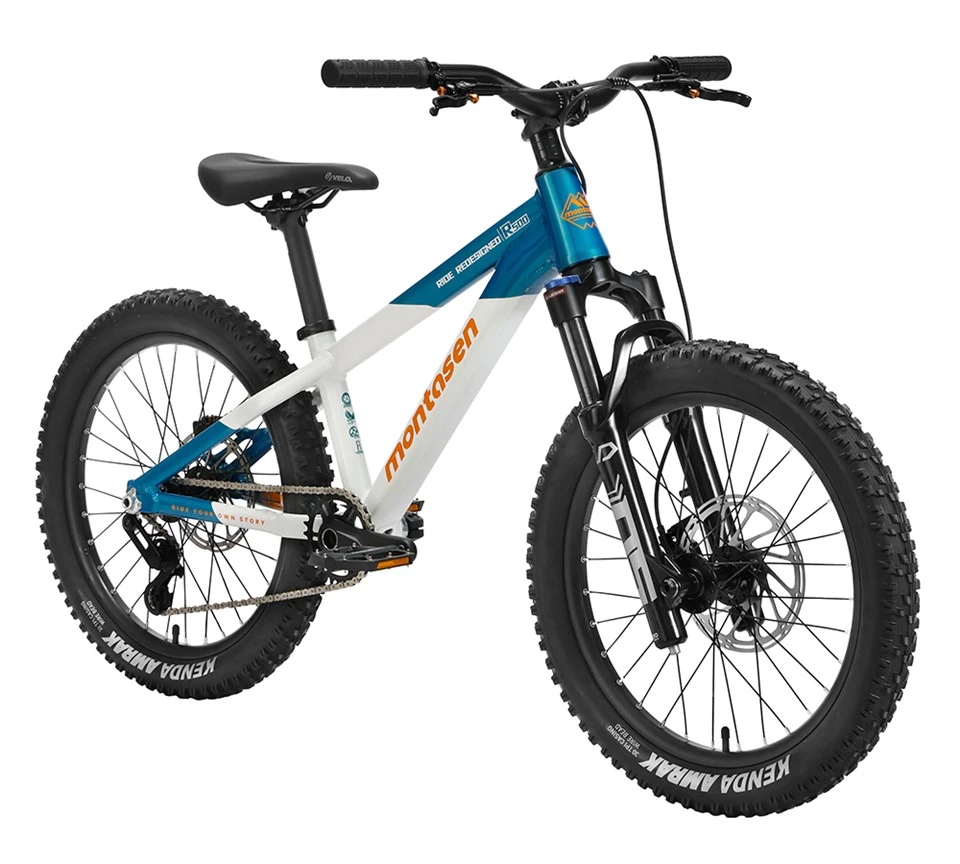
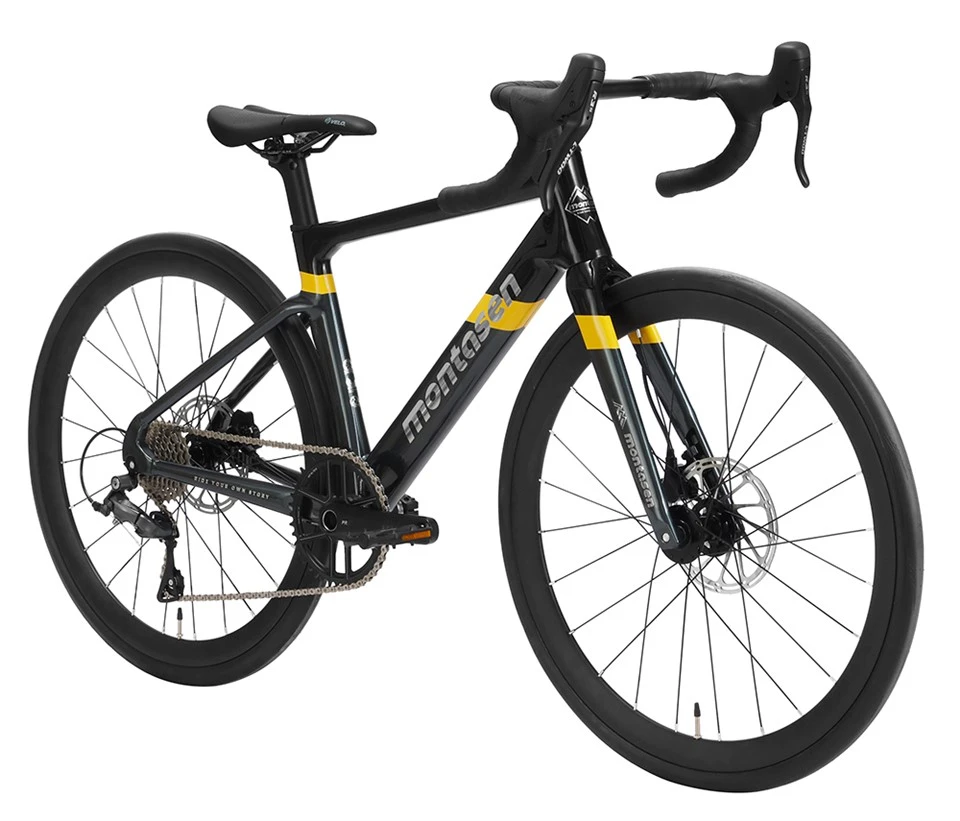
Selecting a suitable bike cassette (rear flywheel) is one of the most overlooked yet critical steps to upgrade your cycling experience. The cassette determines your gear range, pedaling effort, climbing ability, acceleration, and cruising speed on flat roads. Whether you are a casual commuter, a steep hill climber, a long-distance road cyclist, or an off-road mountain biker, picking a well-matched flywheel can reduce fatigue, protect your knees, and make every ride smooth and efficient. Riders using an innovative magnesium bike can especially benefit from the right cassette setup, as lightweight frames respond more efficiently to optimized gear ratios. Understanding cassette specifications, gear ratios, tooth counts, and your personal riding habits is the foundation of making a wise choice.

First, it is essential to learn the basic structure and core parameters of a bike cassette. A bicycle flywheel is a set of stacked gears mounted on the rear wheel hub. The key marking numbers are the minimum tooth count and maximum tooth count, such as 11-28T, 11-34T or 12-42T. The letter T stands for teeth; the smaller number represents the smallest gear for high-speed flat riding, while the larger number is the largest gear for climbing steep slopes. Besides tooth range, you also need to check the speed level, including 7-speed, 8-speed, 9-speed, 10-speed, 11-speed and 12-speed cassettes. Different speed cassettes cannot be mixed randomly, as they match dedicated derailleurs, chains and shifters. Upgrading the cassette without matching transmission parts will cause shifting failure and chain skipping. For cyclists riding an innovative magnesium bike, maintaining proper drivetrain compatibility is even more important to preserve the bike's lightweight performance advantages.

Second, choose the gear range according to your daily riding terrain. For urban flat road commuting and smooth pavement riding, a low-range cassette like 11-28T is the ideal option. This type of flywheel has dense gear gaps, smooth shifting, high top-end speed, and allows you to maintain fast cruising with less pedaling frequency. It fits riders who mainly ride on city streets, flat riverside roads and gentle paths, with few uphill sections. It delivers excellent riding efficiency and saves physical strength for long flat journeys.

If your regular route contains moderate slopes, overpasses, small hills and rolling countryside roads, a 11-32T or 11-34T cassette is a balanced pick. It retains decent high-speed performance for flat roads and adds larger low gears to cope with moderate climbs. This all-around style suits daily leisure riders, fitness cyclists and long-distance travel enthusiasts. It balances speed and climbing ability, avoiding heavy pedaling on slopes while not sacrificing too much flat-road speed.

For riders facing steep mountain roads, rugged hilly areas or heavy-load touring, a wide-range cassette such as 11-40T or 12-46T is necessary. The extra large gear provides ultra-low gear ratios, making steep ascents effortless and easing pressure on knees. Mountain bikers for trail riding, cross-country and downhill routes also need wide-range cassettes to adapt to complex terrain, bumpy roads and sharp slopes. Beginners with weak leg strength and older cyclists can also choose large-tooth cassettes to reduce pedaling burden and avoid knee strain from overexertion. Pairing a wide-range cassette with an innovative magnesium bike can further improve climbing efficiency thanks to the reduced overall bike weight.

Third, consider gear density and shifting smoothness. Cassettes are divided into dense ratio and wide ratio types. Dense cassettes have small gaps between adjacent gears, bringing precise and smooth shifting, steady speed adjustment, which is favored by road cyclists and racing riders. Wide-ratio cassettes have larger gear gaps, focusing more on extreme climbing ability instead of delicate speed adjustment. Casual riders can prioritize a moderate gap for daily comfort, while competitive riders pursue dense gear arrangements for fine speed control during sprints and accelerations.
Fourth, match your physical condition and riding goals. Strong riders with good leg power can use smaller maximum-tooth cassettes to pursue higher speed and faster acceleration. New cyclists, people with poor physical fitness, those who ride for weight loss or low-intensity exercise should opt for larger gears to lower pedaling difficulty. If you aim for long-distance endurance riding, a balanced medium-range cassette reduces long-time physical fatigue. If you prefer sprinting and fast riding, focus on a small minimum tooth gear for higher top speed.
Moreover, frame and rear derailleur compatibility cannot be ignored. Long-cage derailleurs support large-tooth wide-range cassettes, while short-cage derailleurs only fit small and medium-range flywheels. Before purchasing, confirm your bike's original transmission speed and derailleur type to avoid installation incompatibility. Material quality is also worthy of attention: high-grade steel or alloy cassettes have better wear resistance, longer service life and more stable shifting, while low-cost lightweight cassettes wear fast and affect shifting experience.
In conclusion, choosing a proper bike cassette depends on riding terrain, speed demand, physical strength, transmission compatibility and riding purposes. Clear your daily road conditions, define your riding demands, and match the corresponding tooth range and speed level. A suitable flywheel optimizes your riding comfort, extends the service life of transmission parts, and lets you enjoy cycling with less effort and better control.