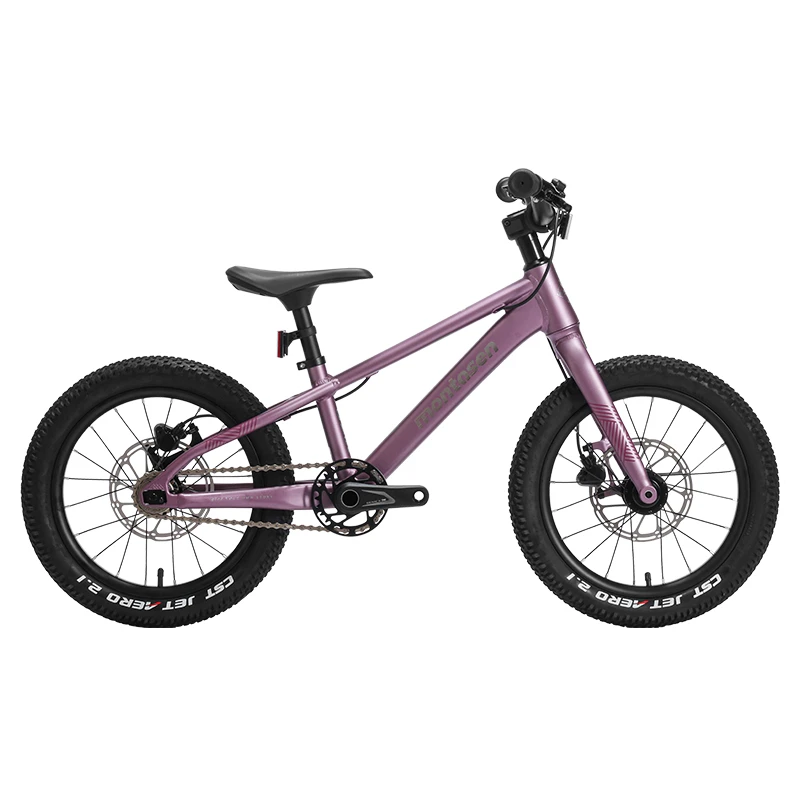
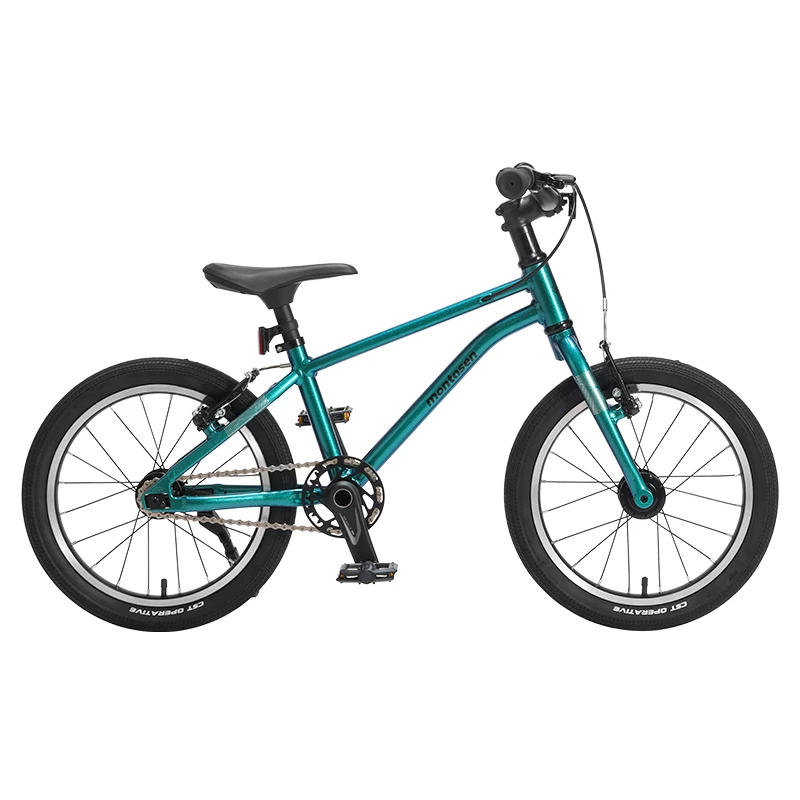
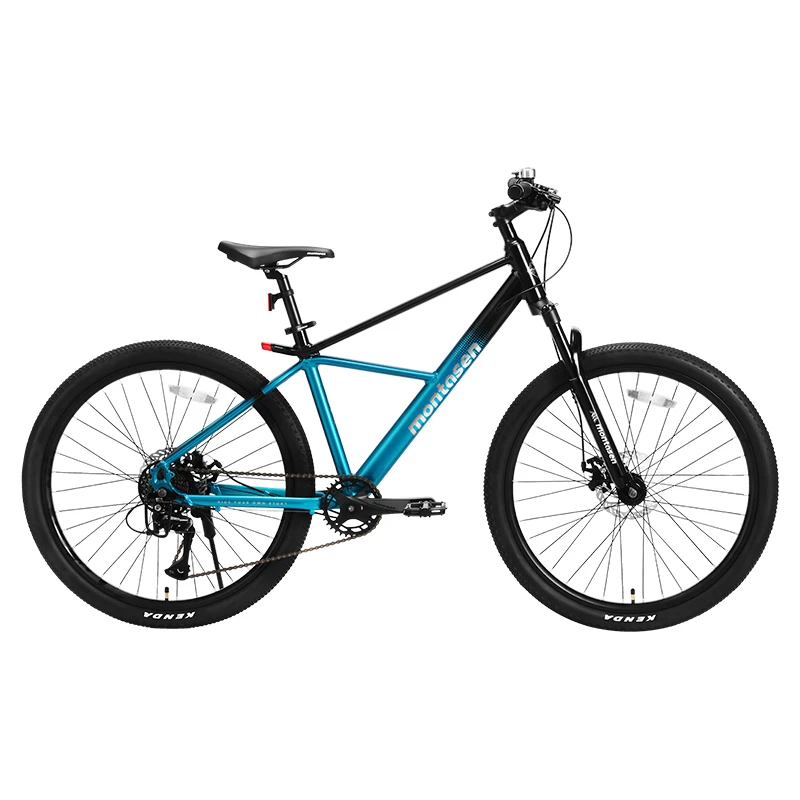
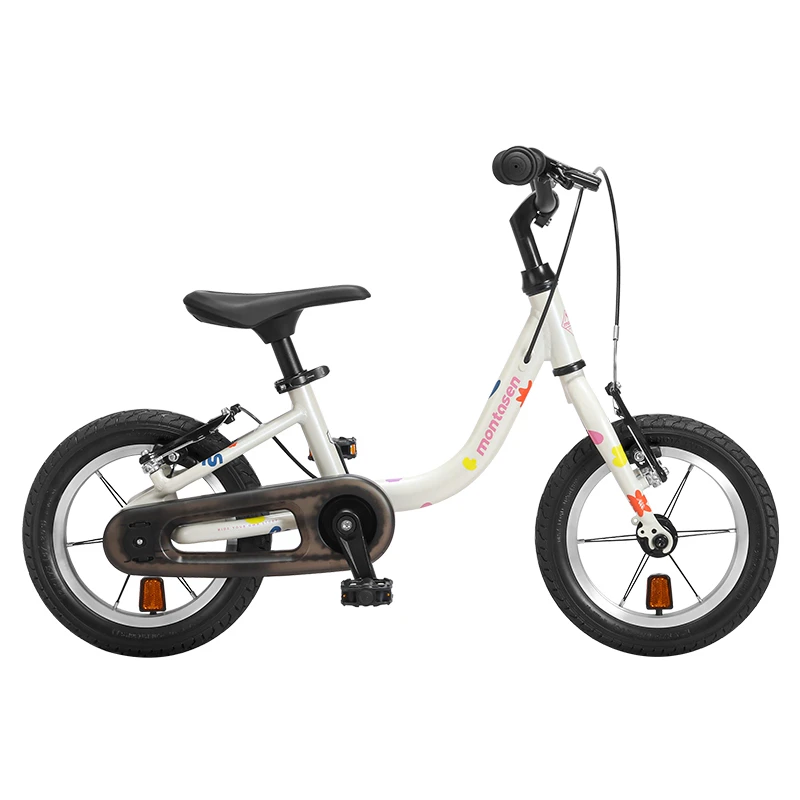
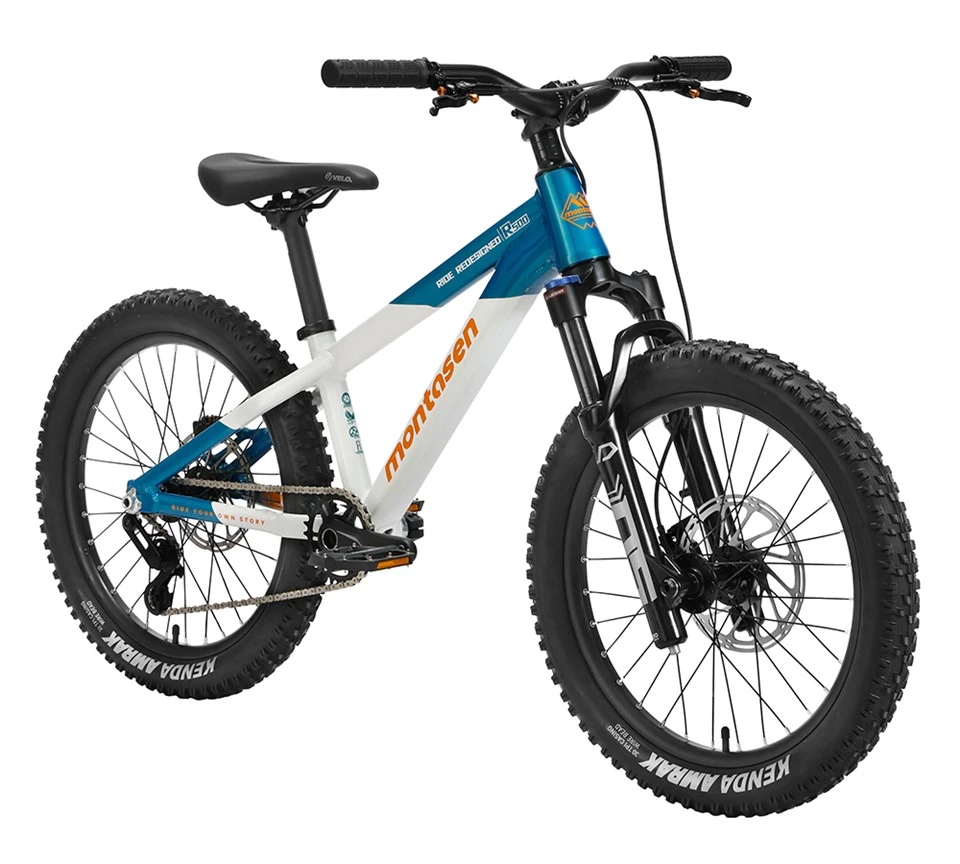
In the distribution and supply chain management of children's balance bikes, their logistics nature is influenced by both the product's physical attributes and usage scenarios, and also reflects the composite characteristics of consumer goods and educational toys. A deep understanding of this logistics nature helps optimize warehousing, transportation, and distribution solutions, ensuring product safety, timeliness, and cost control during the circulation process, thereby improving the end-user experience and satisfaction.
From a physical perspective, although children's balance bikes have a relatively simple structure, they involve a combination of various materials, commonly including lightweight aluminum alloy or engineering plastic frames, rubber tires, metal bearings, and adjustable components. The overall weight of the bike is generally between 1.5 and 3 kg, and its shape is long and narrow, with a length mostly between 80 and 100 cm, while the width and height vary depending on the model. The shape and weight characteristics of these scooters necessitate the use of specialized racks or partitioned shelves during warehousing to prevent frame deformation or component displacement. During transportation, collision-resistant packaging is crucial, often employing corrugated cardboard linings and foam corner protectors to cushion vibrations and prevent damage to critical components such as handlebars and axles.
Adaptability to the logistics environment is another important characteristic. The target users of self-balancing scooters are spread across cities and towns, with delivery scenarios encompassing e-commerce direct mail, supermarket replenishment, and bulk purchases by educational institutions. Different scenarios have different requirements for transportation conditions: e-commerce deliveries are often less-than-truckload (LTL) or small parcel delivery, requiring the compatibility of multiple product categories within limited space, thus demanding high levels of packaging compactness and stacking stability; bulk deliveries to kindergartens or training institutions tend to use palletized unitized loading for forklift loading, unloading, and centralized management. Furthermore, considering that deliveries in some areas may involve bumpy rural roads or high-rise building handling, packaging and handling solutions must balance moisture protection, pressure resistance, and ease of manual handling.
Safety and compliance are core elements of the logistics nature of these scooters. Balance bikes are designed for young children, and all components must meet environmental and non-toxic standards. Therefore, they should be stored and transported away from chemicals and pollutants to prevent the migration of odors or harmful substances. In international distribution scenarios, they must also comply with the toy safety regulations and transportation classification requirements of the target market. For example, lithium battery-powered balance bikes (if equipped) should be transported as dangerous goods, while ordinary non-powered models fall under the category of regular light industrial toys, but still require complete product inspection certificates and traceability labels to meet customs and quality inspection requirements.
Timeliness and service flexibility also affect their logistics operation model. Demand for children's balance bikes exhibits significant seasonal fluctuations, with order peaks occurring before the back-to-school season and holiday promotions. The supply chain needs rapid inventory scheduling and transportation capacity allocation capabilities. Some brands or distributors adopt regional warehousing strategies, placing best-selling models in warehouses in densely populated consumer cities to shorten delivery radius. For customized or high-end models, a combination of business-to-order (BTO) and small-batch dedicated line transportation can be used to reduce inventory capital occupation and ensure delivery accuracy.
Overall, the logistics of children's balance bikes are characterized by their lightweight yet precise components, diverse distribution scenarios with stringent safety requirements, and a need for both timeliness and service flexibility. These characteristics necessitate a systematic design in warehousing layout, packaging protection, transportation modes, and compliance management to achieve an optimal balance between cost and efficiency while ensuring product integrity, thus providing solid supply chain support for the industry's steady development.