


Hey there, young mountain biking enthusiasts! If you're a teenager gearing up to hit the trails on your mountain bike, you're in for an amazing adventure. As a supplier of Teenage Size Mountain Bike, I've seen firsthand how exciting it is for teens to explore the great outdoors on two wheels. In this blog, I'll share some basic riding skills that every teenage mountain biker should know.
1. Getting the Right Fit
Before you even start pedaling, it's crucial to make sure your bike fits you properly. A well-fitted bike not only enhances your comfort but also improves your control and safety on the trails. When choosing a mountain bike, consider the frame size, handlebar height, and saddle position.
For teenagers, a 20 Inch Children Bicycle can be a great option, especially if you're just starting out. It's smaller and more maneuverable, making it easier to handle. However, as you grow and gain more experience, you might want to upgrade to a larger, more advanced bike.
To check if your bike fits you, stand over the top tube. There should be about an inch or two of clearance between your crotch and the tube. The handlebars should be at a comfortable height, allowing you to reach them without straining your back or shoulders. And the saddle should be adjusted so that your legs are almost fully extended when the pedal is at the bottom of its stroke.
2. Mastering the Basics of Braking
Braking is one of the most important skills in mountain biking. Knowing how to use your brakes effectively can help you control your speed, navigate steep descents, and avoid accidents.
Most mountain bikes have two types of brakes: front and rear. The front brake provides the majority of your stopping power, but it can also cause you to flip over the handlebars if you use it too hard. The rear brake is more gentle and helps you maintain stability.
To brake properly, start by applying the rear brake first. This will slow you down gradually and keep your bike stable. Then, if you need to stop more quickly, apply the front brake gently. Remember to use both brakes together for maximum stopping power, but be careful not to lock up your wheels, as this can cause you to skid.
Practice braking in a safe, open area, such as an empty parking lot. Start by riding at a slow speed and gradually increase your speed as you gain confidence. Try different braking techniques, such as feathering the brakes (applying them lightly and releasing them quickly) and full-on braking.
3. Shifting Gears Like a Pro
Shifting gears is another essential skill for mountain biking. It allows you to adjust your pedaling effort to match the terrain, making it easier to climb hills, descend slopes, and maintain a consistent speed.
Most mountain bikes have a derailleur system that allows you to shift between different gears. The front derailleur controls the big chainrings, while the rear derailleur controls the cassette (the set of gears on the rear wheel).
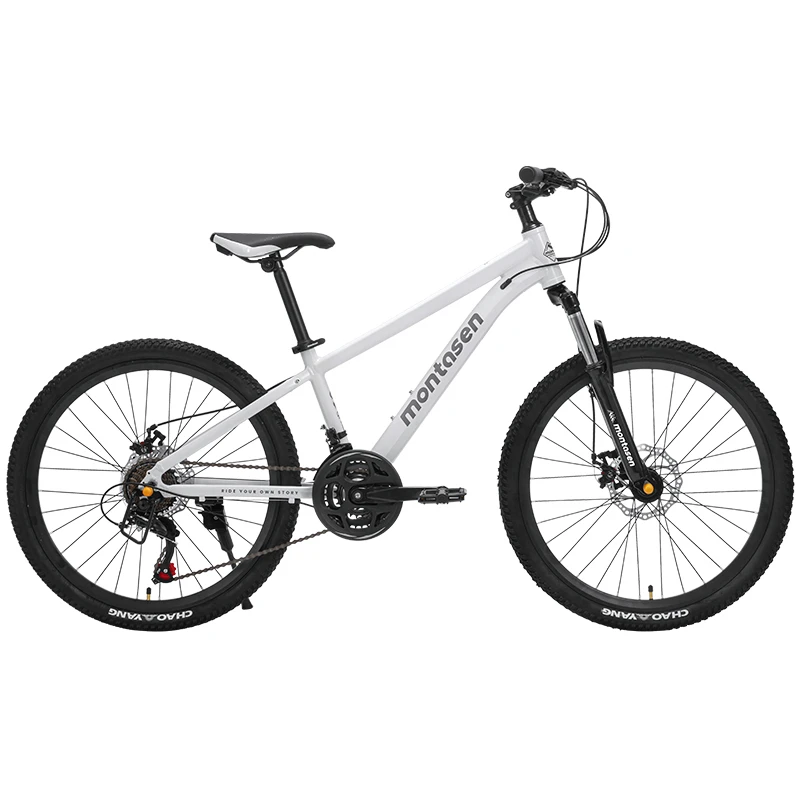

To shift gears, use the shifters on your handlebars. The left shifter controls the front derailleur, and the right shifter controls the rear derailleur. When you're climbing a hill, shift to a lower gear (a smaller chainring in the front and a larger cog in the rear) to make it easier to pedal. When you're descending or riding on flat terrain, shift to a higher gear (a larger chainring in the front and a smaller cog in the rear) to go faster.
It takes some practice to get the hang of shifting gears smoothly. Start by shifting one gear at a time and pay attention to how your bike responds. As you gain more experience, you'll be able to shift multiple gears quickly and smoothly.
4. Balancing and Cornering
Balancing and cornering are key skills for navigating tight turns and technical terrain. To maintain your balance on the bike, keep your weight centered over the pedals and your eyes focused on where you want to go.
When approaching a corner, slow down by applying your brakes. Then, lean your bike into the turn and keep your body upright. This will help you maintain traction and prevent your wheels from sliding.
To corner effectively, look through the turn and focus on the exit. This will help you stay on the right line and avoid hitting any obstacles. As you exit the corner, gradually accelerate to regain your speed.
Practice cornering in a safe, open area, such as a bike park or a dirt track. Start by making wide, gentle turns and gradually increase the speed and tightness of the turns as you gain confidence.
5. Riding Uphill and Downhill
Riding uphill and downhill requires different techniques and skills. Uphill riding is all about power and endurance, while downhill riding is about speed and control.
When riding uphill, shift to a lower gear and stand up on the pedals to generate more power. Keep your weight forward to prevent your rear wheel from slipping. And don't be afraid to take breaks if you need to catch your breath.
When riding downhill, shift to a higher gear and use your brakes to control your speed. Keep your weight back to prevent your front wheel from lifting off the ground. And stay in a low, stable position on the bike to improve your balance and control.
Practice riding uphill and downhill on different types of terrain to gain experience and confidence. Start with gentle slopes and gradually work your way up to steeper, more challenging hills.
6. Handling Technical Terrain
Technical terrain, such as rocks, roots, and logs, can be intimidating for beginner mountain bikers. But with the right skills and techniques, you can navigate these obstacles safely and smoothly.
When approaching a technical obstacle, slow down and assess the situation. Look for the best line through the obstacle and plan your approach. If possible, try to roll over the obstacle rather than hitting it head-on.
To roll over an obstacle, stand up on the pedals and lift your front wheel slightly. Then, as you approach the obstacle, shift your weight back and use your legs to absorb the impact. Keep your eyes focused on the other side of the obstacle and pedal through it.
If you're not sure how to handle a particular obstacle, it's okay to walk your bike around it. There's no shame in taking it slow and learning at your own pace.
7. Staying Safe on the Trails
Safety should always be your top priority when mountain biking. Here are some tips to help you stay safe on the trails:
- Wear a helmet: A helmet is the most important piece of safety equipment in mountain biking. It can protect your head from serious injuries in case of a fall or collision.
- Follow the rules of the trail: Obey all trail signs and regulations, and yield to other trail users, such as hikers and horseback riders.
- Ride within your limits: Don't push yourself too hard or attempt trails that are beyond your skill level. It's better to start small and gradually work your way up.
- Carry essential gear: Always carry a first aid kit, a multi-tool, a spare tube, and a pump. This will help you handle any minor repairs or emergencies on the trail.
- Stay hydrated and fueled: Bring plenty of water and snacks to keep yourself hydrated and energized during your ride.
Conclusion
Learning these basic riding skills will help you become a more confident and competent teenage mountain biker. Remember, practice makes perfect, so don't be afraid to get out there and start riding. And if you're in the market for a new mountain bike, be sure to check out our Teenage Size Mountain Bike collection.
If you have any questions or would like to learn more about our products, please feel free to reach out to us. We're always happy to help and would love to discuss your specific needs and requirements. Whether you're a beginner looking for your first bike or an experienced rider in search of an upgrade, we've got you covered.
References
- "Mountain Biking Skills: A Beginner's Guide." REI Co-op.
- "How to Choose the Right Mountain Bike for Your Kid." Bicycling Magazine.
- "The Ultimate Guide to Mountain Biking Brakes." Pinkbike.


