


As a supplier of Teenage Size Mountain Bikes, I've received numerous inquiries about the suitability of these bikes for rough terrains. This question is crucial as many teenagers are eager to explore the great outdoors and test their biking skills on challenging landscapes. In this blog, I'll delve into the factors that determine whether a teenage size mountain bike can handle rough terrains and provide insights based on my experience in the industry.
Understanding Teenage Size Mountain Bikes
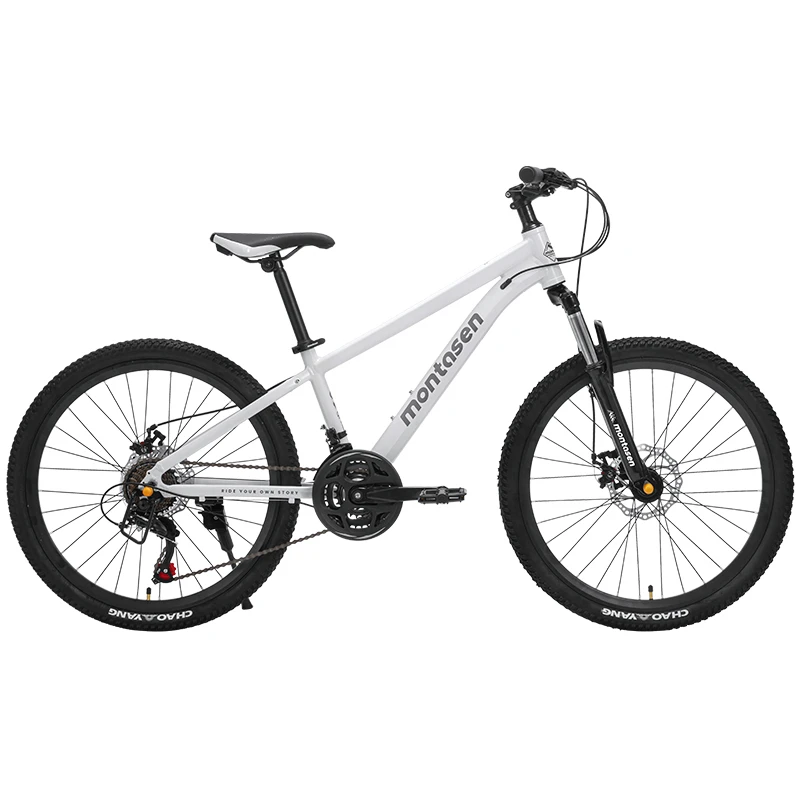
First, let's briefly understand what a teenage size mountain bike is. These bikes are specifically designed for teenagers, taking into account their physical stature and riding capabilities. They typically come in different frame sizes, wheel diameters, and gear configurations to accommodate the diverse needs of young riders. The Teenage Size Mountain Bike we offer at our store is engineered with high - quality materials and advanced technology to ensure a comfortable and safe riding experience.
Factors Affecting Performance on Rough Terrains
Suspension System
One of the most critical factors in determining a bike's ability to handle rough terrains is its suspension system. A good suspension system can absorb shocks and bumps, providing a smoother ride and better control. Most teenage size mountain bikes are equipped with front suspension forks, which help to dampen the impact when riding over rocks, roots, and uneven surfaces. Some higher - end models may also feature rear suspension, which further enhances the bike's performance on rough trails. The suspension travel, measured in millimeters, indicates how much the suspension can compress. A longer suspension travel is generally better for more extreme rough terrains.

Frame and Build Quality
The frame of a teenage size mountain bike plays a vital role in its durability and performance on rough terrains. A sturdy frame made from high - quality materials such as aluminum or carbon fiber can withstand the stresses and strains of off - road riding. Aluminum frames are popular due to their lightweight and corrosion - resistant properties, while carbon fiber frames offer even greater strength - to - weight ratios. The frame geometry is also important, as it affects the bike's handling and stability. A bike with a more relaxed geometry is better suited for rough terrains, as it provides a more stable and comfortable riding position.
Tires
Tires are the only point of contact between the bike and the ground, so their quality and design are crucial for performance on rough terrains. Wide, knobby tires with a good tread pattern provide better traction on loose, muddy, or rocky surfaces. The tire pressure also affects the bike's handling. Lower tire pressures can increase the tire's contact area with the ground, improving traction, but they also increase the risk of pinch flats. Riders need to find the right balance based on the type of terrain they are riding on.
Gear System
A reliable gear system is essential for climbing hills and navigating rough terrains. Most teenage size mountain bikes come with a multi - speed gear system, typically ranging from 7 to 21 speeds. A wider range of gears allows riders to adjust their pedaling effort according to the terrain. For example, a low gear is useful for climbing steep hills, while a high gear is suitable for flat or downhill sections.
Advantages of Using Teenage Size Mountain Bikes on Rough Terrains
- Skill Development: Riding on rough terrains can help teenagers develop their biking skills, such as balance, control, and decision - making. It challenges them to adapt to different situations and improve their overall riding ability.
- Outdoor Exploration: Rough terrains often lead to beautiful and secluded natural areas. Teenagers can use their mountain bikes to explore these areas, connect with nature, and enjoy the outdoors.
- Physical Fitness: Mountain biking on rough terrains is a great form of exercise. It works out various muscle groups, including the legs, core, and arms, and provides a cardiovascular workout.
Limitations and Considerations
- Rider Experience: Even with a suitable bike, riding on rough terrains requires a certain level of skill and experience. Inexperienced riders may find it difficult to handle the challenges of off - road riding and may be at a higher risk of accidents.
- Maintenance: Rough terrains can be hard on bikes, and regular maintenance is essential to keep the bike in good condition. Components such as the suspension, brakes, and gears may need more frequent servicing.
- Safety: Riding on rough terrains always carries a certain level of risk. Teenagers should wear appropriate safety gear, including helmets, knee and elbow pads, and gloves. They should also ride within their limits and be aware of their surroundings.
Real - World Examples
I've seen many teenagers have great success using our Teenage Size Mountain Bikes on rough terrains. For instance, a group of teenage riders participated in a local off - road biking event. They used our bikes to navigate through a challenging trail with steep climbs, rocky descents, and muddy sections. With proper training and preparation, they were able to complete the course safely and have a lot of fun.
Conclusion
In conclusion, a teenage size mountain bike can be used on rough terrains, provided that it has the right features and is ridden by a skilled and responsible rider. The suspension system, frame and build quality, tires, and gear system all play important roles in determining the bike's performance on rough trails. While there are some limitations and considerations, the benefits of using these bikes on rough terrains, such as skill development, outdoor exploration, and physical fitness, are significant.
If you're interested in purchasing a teenage size mountain bike for your teenager or for a group of young riders, we'd love to have a conversation with you. Our team of experts can help you choose the right bike based on your specific needs and requirements. Whether you're looking for a bike for casual trail riding or more extreme off - road adventures, we have a wide range of options to suit your budget and preferences. Contact us to start the procurement process and let us help you find the perfect Teenage Size Mountain Bike for your young riders.
References
- "Bicycling Science" by David Gordon Wilson
- "Mountain Biking Skills Manual" by the International Mountain Bicycling Association
- Various industry reports and research on mountain bike design and performance


